Cultural Context of Mexican Spirit Guides
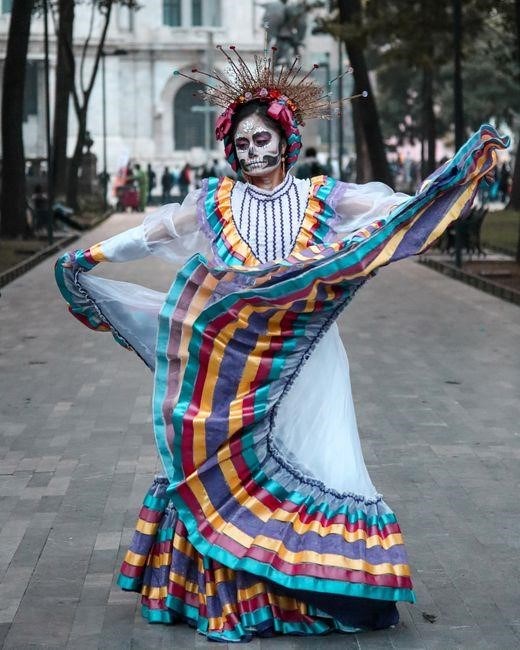
Mexican spirit guides arise from a tapestry of pre-Hispanic beliefs, syncretic Catholicism, and contemporary indigenous practices, reflecting a worldview where the natural world, ancestors, and deities co-exist in a dynamic, reciprocal relationship that shapes identity and community heritage and lore!!
Pre-Hispanic Mesoamerican Cosmology and the Role of Spiritual Beings
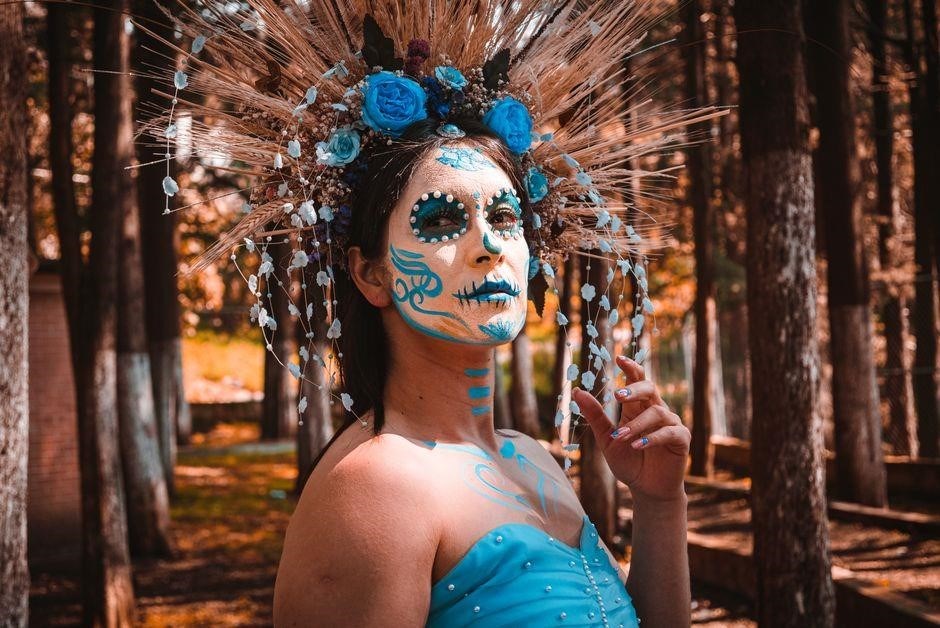
In pre‑Hispanic Mesoamerica, cosmology was a complex, multilayered system that integrated the sky, earth, and underworld into a single, interdependent reality․ The Aztec, Maya, Zapotec, Mixtec, and other cultures believed that the universe was governed by a series of gods and celestial bodies, each with specific functions and symbolic meanings; The sun god Huitzilopochtli, the moon goddess Xochiquetzal, and the earth deity Quetzalcoatl were central to daily rituals, agricultural cycles, and the maintenance of cosmic balance․ Spiritual beings, or “nahuals,” were considered intermediaries between humans and the divine; they were believed to inhabit natural elements such as rivers, mountains, and forests, and to possess the power to influence human fate; These beings were invoked through elaborate ceremonies, offerings, and chants, and they were often represented in codices, murals, and stone carvings․ The concept of “teotl,” a divine essence that permeated all things, underscored the belief that every element of the natural world was alive and capable of communication․ The role of spiritual guides in this cosmology was to provide protection, guidance, and insight, helping individuals navigate the complex social and environmental challenges of the time․ The integration of these guides into everyday life reinforced communal bonds, legitimized political authority, and ensured the continuity of cultural knowledge across generations․ Today, scholars and practitioners continue to honor these guides, blending ancient wisdom with practices to sustain cultural resilience and spiritualwell‑being;
Key Mexican Spirit Guides and Their Symbolism
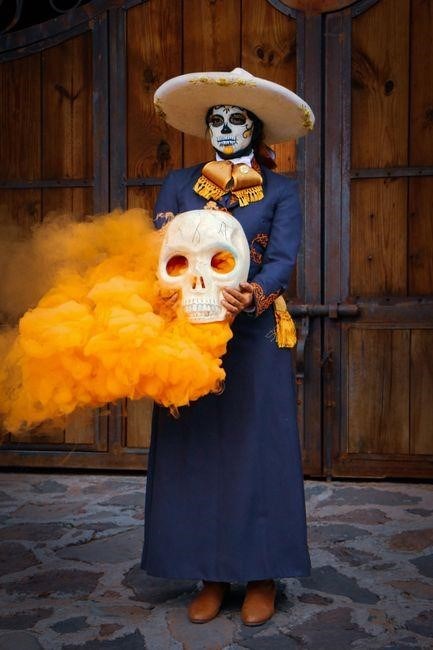
Guides such as the Chaneque, Xoloitzcuintli, and Quetzalcoatl embody protection, fertility, and transformation․ Their symbols—forest spirits, loyal dogs, feathered serpents—reflect ecological tiesancold and reverence, shaping rituals and identity․
Chaneque: Elusive Forest Guardians of Oaxaca
Chaneques are diminutive, mischievous beings rooted in the deep forests of Oaxaca, where they are revered as guardians of the natural world․ According to Zapotec and Mixtec lore, these sprites possess the ability to shape‑shift, often appearing as small humans, animals, or even inanimate objects to trick travelers․ Their primary role is protective: they watch over trees, rivers, and wildlife, ensuring ecological balance․ When a forest is harmed, Chaneques are said to retaliate by causing mischief, leading hikers astray or stealing tools․ Conversely, respectful offerings—such as corn, beans, or small wooden figurines—invite their benevolent presence, fostering harmony between people and the land․ In contemporary Oaxaca, many communities still perform rituals to appease Chaneques, placing carved wooden masks near entrances or leaving a bowl of water at the base of a tree․ These practices underscore a cultural ethos that values stewardship, humility, and the acknowledgment of unseen forces that sustain life․ Scholars note that the Chaneque myth reflects a broader Mesoamerican belief in the interconnectedness of all beings, where every entity, living or spiritual, plays a role that maintains the cosmic order․ Today, Chaneques continue to inspire local artisans, who carve miniature figures and weave them into protective charms․ Some healers incorporate Chaneque symbolism into herbal remedies, believing that the spirit’s presence can amplify the medicine’s efficacy․ Moreover, eco‑tourism in Oaxaca often includes guided walks that explain Chaneque lore, encouraging visitors to respect forest etiquette․ Despite commercialization, many indigenous groups emphasize that the Chaneque is not a mere tourist attraction but a living guardian demanding reverence and responsible stewardship of the environment․ The persistence of Chaneque stories in oral tradition illustrates how myth and ecology intertwine, reinforcing communal bonds and fostering a shared responsibility for the land’s well‑being․ Local storytellers often recount how a Chaneque may hide a traveler’s compass, prompting a lesson in humility․ In some villages, a small wooden box containing a dried flower is left at a crossroads to honor the spirit, a practice that reinforces community bonds․ These customs illustrate the Chaneque’s role as both protector and teacher, reminding people that respect for nature is a shared responsibility․ Such tales weave guardianship into everyday life, shaping Oaxaca’s cultural identity richly․ today․
Spiritual Guides in Traditional Mexican Healing Practices
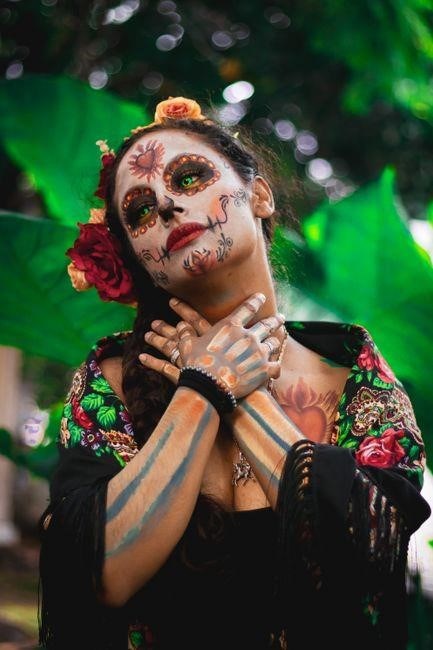
In traditional Mexican healing, spirit guides are integral to curanderismo, guiding herbalists through plant lore and ancestral wisdom․ Practitioners invoke deities, ancestors, and forest sprites to diagnose ailments, channel energy, and bless remedies, ensuring holistic balance․ and sacred rituals daily
Curanderismo: The Integration of Spirit Guides in Herbal Medicine
Curanderismo blends cosmology with Catholic iconography, creating a healing framework where spirit guides—ancestral guardians, forest sprites, and deities—interact with herbalists․ Before harvesting, the curandero performs a cleansing ritual, offering incense and prayers to the guiding spirits, seeking permission and protection․ The spirits inhabit roots, leaves, and waters, providing insight into dosage, timing, and purpose․ The healer consults the “médico de la tierra,” a spirit embodying land wisdom, to determine which botanical remedy harmonizes with the patient’s energetic profile․ This integration ensures herbal medicine is not merely physical but a holistic process restoring balance among body, mind, and spirit․ The curandero’s dialogue with spirit guides involves symbolic gestures, such as placing a stone or feather on the altar and reciting chants echoing hymns․ These interactions are recorded in oral histories, ensuring each generation inherits nuanced protocols for engaging the unseen․ Modern practitioners adapt rituals to settings, creating altars that honor spirits while navigating contemporary lifestyles․ This adaptation preserves curanderismo’s essence, allowing it to thrive amid cultural change․ The healer consults the plant’s guardian spirit to confirm harvest timing and preparation method, visualizing the plant’s energy fieldduring a short meditation․ Such practices reinforce the belief that herbs are living entities whose spirits must be respected, amplifying medicinal benefits and providing holistic healing that resonates with the soul and community traditions․ The practice emphasizes the importance of seasonal cycles, aligning herbal use with solstices and equinoxes, which spirit guides interpret as moments of heightened receptivity, ensuring maximum efficacy harmony․
Rituals and Offerings to Invoking Spirit Guides
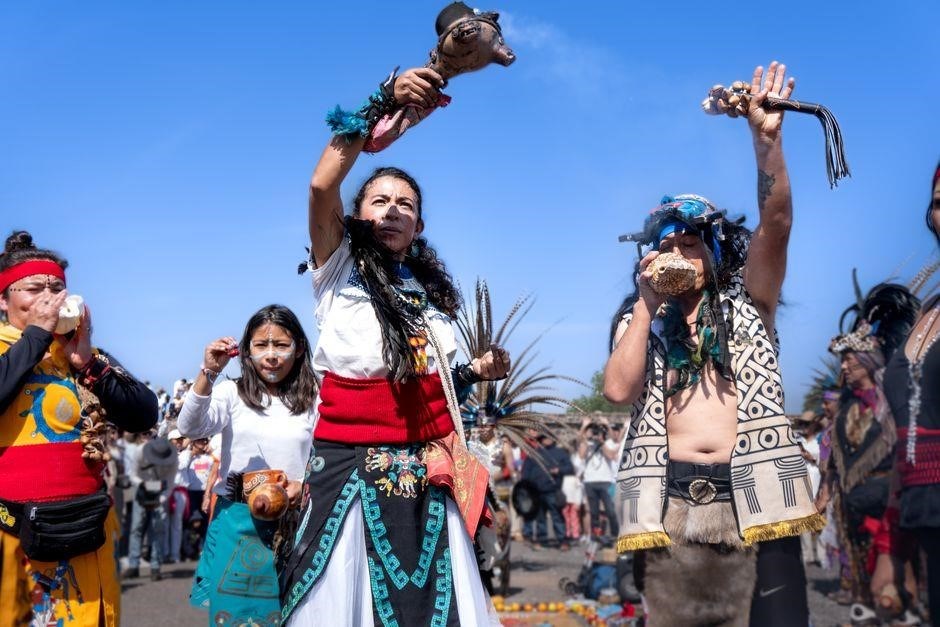
Offerings honor spirits: candles, flowers, maize, and pulque․ Altars are arranged with sacred symbols, and prayers echo pre‑Hispanic chants․ Timing aligns with lunar phases, inviting guides to share wisdom and protection․ Respectful rituals sustain cultural continuity․ They honor earth’s breath, gratitude!
․
Construction of Altars, Use of Candles, and Offering of Food and Drink
In Mexican spirit guide practice, the altar is the sacred nexus where the earthly and the divine meet․ A flat stone or wooden slab is cleaned with salt and water, then laid upon a low table or the ground․ The surface is adorned with a white cloth, symbolizing purity, and a small bowl of fresh water, representing the life‑flow of the earth․ Candles—usually white or red—are placed in the center, their flames flickering as a living conduit to the spirits․ The color choice reflects the guide’s domain: white for protection, red for healing, green for abundance․ A small pot of maize or pulque is offered, as maize is the sustenance of the Aztec gods and pulque the fermented nectar of the agave, both embodying cycle of life and nourishment․ A handful of flowers—marigold or jasmine—are arranged around the candles, their fragrance inviting the spirits to approach․ A small wooden figurine or carved stone may be placed to represent the particular guide, and a handwritten prayer or chant is read aloud, asking for guidance and gratitude․ The ritual is performed during the waxing or waning moon, when the veil between worlds is thin․ Participants light the candles, whisper thanks, and then leave the altar to rest, believing the spirits have received the offerings and will watch over the community․ This practice preserves ancestral wisdom while fostering a living dialogue with the unseen guardians of the land․They invite travelers to share stories, tradition․
Spirit Guides in Mexican Folklore and Mythology
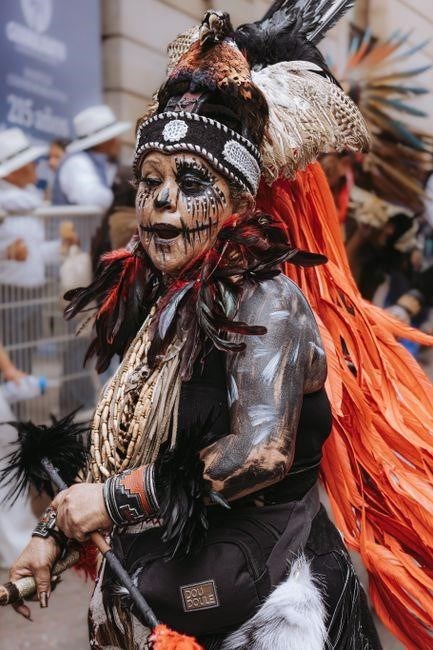
Mythic figures like the Llorona, Chaneque, and Nahual weave tales of protection and transformation․ Their oral stories guide villagers through forests and rivers, reminding communities of ancestral wisdom and respect for unseen forces for all now
La Llorona and Other Water Spirits in Mexican Narrative Tradition
La Llorona, the weeping woman, is a central water spirit in Mexican folklore․ According to legend, she drowned her children in a river, and now she mourns, wailing for lost souls and warning children to stay away from water․ Her story blends pre‑Hispanic river deities with Spanish Catholic themes of sin and redemption․ Similar spirits include the Nahual, a shapeshifting guardian of rivers, and the Tlalocan spirits, who guard the waters of the afterlife․ These narratives serve as moral lessons, teaching respect for rivers, the dangers of drowning, and the importance of community vigilance․ In rural villages, parents recount the Llorona’s lament to keep children from wandering near streams at night․ The figure also appears in modern media, from telenovelas to indie films, where she is portrayed as both tragic and powerful․ Scholars note that the Llorona’s voice echoes ancient water spirits from Mesoamerica, such as the Quetzalcoatl river god, and that her tale has evolved through colonial influence, blending indigenous cosmology with Catholic martyrdom․ The persistence of these stories reflects a cultural memory that water is both life‑giving and perilous, and that the spirits guarding it demand respect, reverence, and caution․ Thus, the Llorona and her kin remain living symbols of the unseen forces that shape Mexican identity and moral consciousness․ Its haunting cry echoes through rivers, reminding all of shared fate!
Modern Interpretations and New Age Spirituality in Mexico
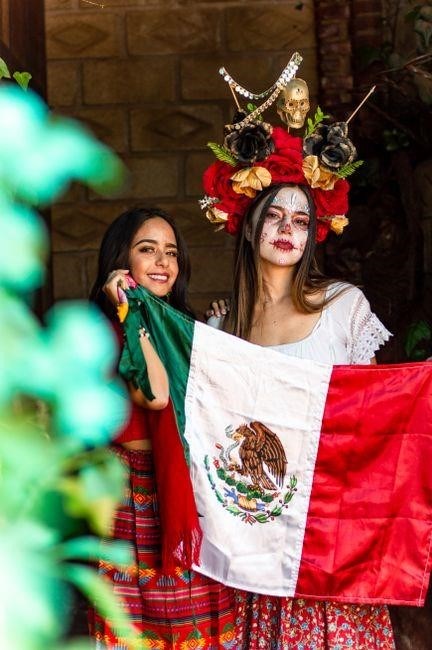
Contemporary Mexican spirituality blends ancient guides with New Age practices, creating vibrant retreats․ Practitioners honor ancestral spirits while embracing meditation, crystal healing, and digital chants, fostering a global dialogue that respects tradition yet adapts to modern seekers for all ages․
Contemporary Spiritual Tourism and the Commercialization of Spirit Guide Practices
Mexico’s growing spiritual tourism industry has turned traditional spirit guide rituals into marketable experiences․ Tourists flock to Oaxaca, Chiapas, and the Yucatán to witness ceremonies led by local shamans, participate in guided forest walks, and purchase handcrafted talismans․ Operators package these encounters with modern amenities—accommodations, guided tours, and multimedia presentations—while maintaining an aura of authenticity․ The commercialization of spirit guide practices raises ethical concerns: cultural appropriation, commodification of sacred knowledge, and the potential dilution of rituals․ Many indigenous communities respond by setting strict guidelines, ensuring that guides receive fair compensation and that teachings are transmitted responsibly․ Some entrepreneurs collaborate with community leaders to create sustainable models that benefit both visitors and caretakers, preserving cultural integrity while generating income․ However, the surge in demand can also lead to overexposure, where the spiritual experience becomes a tourist attraction rather than a meaningful practice․ Critics argue that the commodification of spirit guides risks turning profound traditions into entertainment, undermining their spiritual depth․ Advocates emphasize the importance of respectful engagement, informed consent, and equitable sharing of profits․ Ultimately, contemporary spiritual tourism in Mexico reflects a complex interplay between preserving heritage, fostering economic development, and safeguarding the sanctity of indigenous spirit guide practices․
Digital platforms amplify spirit guide narratives, offering virtual tours, livestreamed rituals, and online marketplaces for spiritual goods․ While expanding access, they challenge authenticity, risk misinformation, and threaten intellectual property rights of indigenous holders․ Policymakers and NGOs push for regulations balancing tourism growth with cultural preservation, ensuring the spiritual economy remains rooted in community values and ethical practice and worldwide
Ethical Considerations When Working with Mexican Spirit Guides
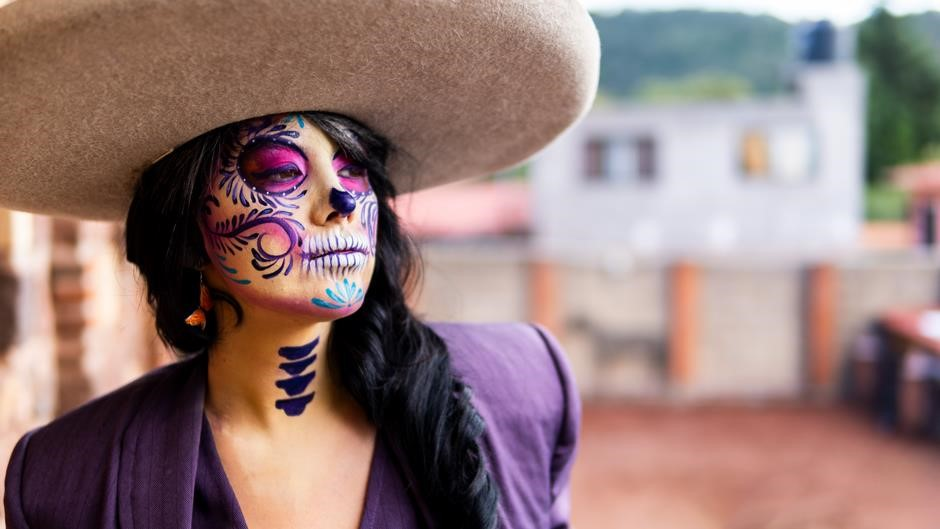
Respecting indigenous knowledge, obtaining informed consent, and avoiding cultural appropriation are paramount․ Collaborate with local practitioners, honor traditional protocols, and ensure fair compensation․ Preserve sacred contexts, support community stewardship, and practice humility․ Respect communi
Respecting Indigenous Knowledge and Avoiding Cultural Appropriation
Respecting indigenous knowledge in Mexican spirit guide practices demands cultural humility, ethical rigor, and collaboration with community elders․ Researchers must obtain explicit informed consent before accessing oral histories, rituals, or sacred symbols, recognizing these elements as living expressions of identity rather than commodities․ Language matters: translations must preserve nuance, and practitioners should use indigenous terms with permission, avoiding exoticization of spiritual concepts․ Financial reciprocity is essential; compensation should reflect the value of knowledge, not merely a token․ Intellectual property rights must be respected: public sharing of findings should include co‑authorship or acknowledgment of the originating community, and any commercial use of cultural motifs must be negotiated with clear benefit‑sharing agreements․ Ongoing dialogue is critical; practitioners should return to communities with outcomes, corrections, or new insights, ensuring that knowledge remains dynamic, not static․ Education and training on cultural protocols should be mandatory for anyone working in this field, fostering a culture of respect that transcends academic curiosity and protects the integrity of Mexican spiritual traditions․ Practitioners should actively support community‑led preservation initiatives—funding local archives, sponsoring cultural festivals, restoring sacred sites—aligning research goals with community priorities to reinforce cultural resilience and counter erosion of intangible heritage caused by globalization and tourism pressures․ In practice, this means attending workshops, learning basic phrases in local dialects, and demonstrating genuine respect during ceremonies, rather than merely observing from a distance․ Additionally, scholars should share expertise in conservation science or digital archiving, creating a two‑way exchange that benefits both community and academia․ Finally, all research outputs should be reviewed by community representatives before publication to ensure cultural sensitivity and accuracy, reinforcing a partnership that honors the living traditions of Mexican spirit guides for future generations․ Respectfully․—————
Resources for Further Study on Mexican Spirit Guides
- Journal of Mesoamerican Studies, vol․ 12․
- “Spirit Guides of Oaxaca” by Maria López․
- Online database: Indigenous Knowledge Portal․
- Ethnographic Fieldwork Guide, 3rd ed․
Explore now․
Academic Journals, Books, and Online Databases for In-Depth Research
For scholars seeking comprehensive insight into Mexican spirit guides, a curated selection of peer‑reviewed journals, seminal monographs, and digital repositories offers a robust foundation․ The Journal of Mesoamerican Studies (JMS) publishes quarterly articles on cosmology, folklore, and ethnography, with recent issues featuring comparative analyses of Chaneque narratives and contemporary New Age reinterpretations․ The Latin American Research Review (LARR) provides interdisciplinary studies that contextualize spiritual practices within socio‑political frameworks, while Ethnohistory publishes in‑depth case studies of curanderismo rituals and their syncretic evolution․ Key monographs include “Spirit Guides of Oaxaca” by María López, which synthesizes oral histories and archival documents, and “The Sacred Forests of Mexico” by Jorge García‑Sánchez, a critical examination of forest guardian myths across the Sierra Madre․ For primary source collections, the Digital Library of the National Autonomous University of Mexico (UNAM) hosts digitized manuscripts and ethnographic recordings․ The Indigenous Knowledge Portal, maintained by the Instituto Nacional de Antropología e Historia (INAH), offers open‑access databases of regional folklore, including audio‑visual material on water spirits and mountain deities․ Researchers should also consult the American Anthropological Association’s AnthroSource, which aggregates conference proceedings on Latin American spirituality․ Finally, the Open Access Repository of the University of Texas at Austin contains theses on the commercialization of spirit guide practices, offering critical perspectives on contemporary commodification․ Together, these resources enable a nuanced, evidence‑based exploration of Mexican spirit guides across historical, cultural, and contemporary dimensions․ See: link!