
Small Business Tax Deductions Checklist: A Comprehensive Guide (Updated December 16, 2025)
Navigating small business taxes requires diligent record-keeping and awareness of available deductions․ This comprehensive guide, updated today, December 16, 2025,
details crucial deductions,
including start-up costs, office expenses, and the Qualified Business Income (QBI) deduction, helping owners maximize savings and ensure compliance․
A downloadable small business tax deductions checklist PDF is a valuable tool for organization, ensuring no eligible expense is overlooked during tax preparation․
Understanding and utilizing small business tax deductions is paramount for financial health․ Many owners are unaware of the numerous incentives and subsidies available, potentially leaving significant savings on the table․ A well-maintained small business tax deductions checklist PDF serves as a vital organizational tool, ensuring all eligible expenses are accounted for when filing․
Accurate record-keeping and professional tax assistance are crucial, bridging potential information gaps․ Prudent owners proactively seek expert guidance to navigate complexities and ensure compliance․ Regularly reviewing deductions, like the Section 199A QBI deduction, and staying updated on changes, such as those impacting tip deductions for various occupations, is essential․ Utilizing a checklist PDF streamlines this process, promoting efficiency and maximizing potential tax benefits․

Common Small Business Tax Deductions
Frequently claimed deductions include start-up expenses, office supplies, home office costs, business meals, and travel․ A small business tax deductions checklist PDF simplifies tracking these common items․
Start-Up Expenses

Initial costs to launch a business are often deductible, but limitations apply․ You can generally deduct up to $5,000 in start-up costs and $5,000 in organizational costs in the year the business begins operating․
Expenses exceeding this $10,000 threshold are amortized over 180 months․ Qualifying start-up expenses include market research, travel to secure funding, and costs associated with forming the business entity․
Maintaining meticulous records is crucial․ A small business tax deductions checklist PDF should include a dedicated section for start-up costs, detailing each expense with supporting documentation․ Proper categorization ensures you maximize your initial deductions and avoid potential issues during an audit․
Office Supplies & Expenses

Everyday operational costs for your business are generally tax-deductible․ This encompasses a wide range of items, including pens, paper, printer ink, and software subscriptions․ Expenses extend beyond consumables to include furniture, equipment, and necessary repairs․
Remember to differentiate between expenses and assets; larger purchases with a lifespan exceeding one year are typically depreciated rather than fully deducted․
A comprehensive small business tax deductions checklist PDF should feature a detailed section for office supplies and expenses, categorizing items for easy tracking․ Consistent record-keeping, including receipts, is vital for substantiating these deductions during tax season and potential audits․
Home Office Deduction
The home office deduction allows eligible self-employed individuals to deduct expenses related to the business use of their home․ To qualify, the space must be exclusively and regularly used for business purposes – a dedicated office, not a multipurpose room․
Deductible expenses include mortgage interest, rent, utilities, insurance, and depreciation․ There are two calculation methods: the simplified option (a standard rate per square foot) and the regular method (calculating actual expenses)․
A small business tax deductions checklist PDF should include a dedicated section for home office expenses, outlining eligibility requirements and calculation methods․ Accurate square footage measurement and detailed expense tracking are crucial for maximizing this deduction․
Business Meals
Deducting business meal expenses requires careful adherence to IRS guidelines․ Generally, only 50% of the cost of business meals is deductible, provided they are ordinary and necessary, and directly related to or associated with your trade or business․
The meal must be with a current or potential client, customer, consultant, or business associate․ Detailed records are essential, including the date, location, attendees, and business purpose of the meal․
A comprehensive small business tax deductions checklist PDF should feature a dedicated section for business meals, emphasizing documentation requirements and the 50% limitation․ Maintaining receipts and detailed notes will streamline the deduction process․
Business Travel Expenses
Deducting business travel expenses can significantly reduce your tax liability, but requires meticulous record-keeping․ Allowable expenses include transportation (airfare, mileage), lodging, meals (subject to the 50% limitation), and incidental costs directly related to the business trip․
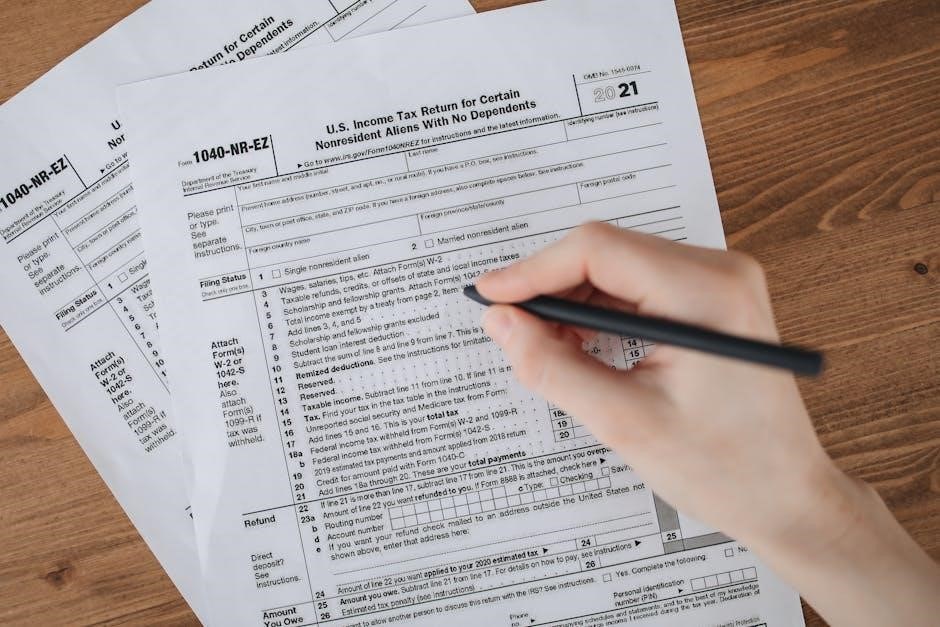
The primary purpose of the trip must be business-related; personal activities should not dominate the itinerary․ Maintaining a travel log detailing dates, destinations, business purpose, and expenses is crucial․
A thorough small business tax deductions checklist PDF should include a dedicated section for travel, outlining acceptable expenses and documentation needs․ Accurate mileage tracking and receipt preservation are vital for maximizing deductions․

Deductions Related to Operations & Assets
Optimize your tax strategy by claiming deductions for operational costs and asset depreciation․ A small business tax deductions checklist PDF
will help track eligible expenses for maximum savings․
Business Interest Deduction
The business interest deduction allows eligible businesses to deduct expenses paid on loans, crucial for managing cash flow and reducing taxable income․ This deduction applies to interest paid on debts incurred to finance business operations, including lines of credit, mortgages, and other forms of borrowing․
However, limitations may apply, particularly for larger businesses, potentially restricting the deduction to a percentage of adjusted taxable income․ Utilizing a comprehensive small business tax deductions checklist PDF is vital for accurately calculating and documenting eligible interest expenses․
Proper record-keeping, including loan statements and interest payment confirmations, is essential to support this deduction during an audit․ Consulting with a tax professional ensures compliance with current regulations and maximizes potential savings․
Depreciation of Business Assets
Depreciation allows businesses to deduct the cost of tangible assets—like equipment, vehicles, and buildings—over their useful life, rather than expensing the full cost immediately․ This recognizes the gradual decline in an asset’s value due to wear and tear, usage, or obsolescence․
Various depreciation methods exist, including straight-line and accelerated methods, each impacting the timing of deductions․ A detailed small business tax deductions checklist PDF should include a section for tracking asset purchases, depreciation methods used, and accumulated depreciation․
Section 179 expensing offers an immediate deduction for certain qualifying assets, potentially exceeding depreciation limits․ Accurate record-keeping and professional guidance are crucial for maximizing depreciation benefits and ensuring compliance․
Energy Efficient Commercial Buildings Deduction
The Energy Efficient Commercial Buildings Deduction (Section 179D) incentivizes investments in energy-reducing property for commercial buildings․ This deduction can be substantial, offering up to $1․80 per square foot for qualifying improvements, depending on the level of energy savings achieved․
Qualifying improvements include upgrades to HVAC, lighting, and building envelope systems․ A comprehensive small business tax deductions checklist PDF should include a dedicated section for documenting energy-efficient upgrades, associated costs, and energy reduction calculations․
Detailed engineering reports are often required to substantiate the deduction․ Consulting with a tax professional specializing in energy tax credits is highly recommended to navigate the complex requirements and maximize potential savings․
Qualified Business Income (QBI) Deduction (Section 199A)
The Qualified Business Income (QBI) deduction, under Section 199A, allows eligible self-employed individuals and small business owners to deduct up to 20% of their qualified business income․ This is a significant tax benefit, potentially lowering your overall tax liability substantially․ However, limitations apply based on taxable income․
A thorough small business tax deductions checklist PDF must include a section dedicated to calculating QBI, considering any limitations based on your income level and the type of business․ Accurate record-keeping of business income and expenses is crucial for this calculation․
Understanding the complexities of Section 199A often requires professional tax advice to ensure proper application and maximize your deduction․
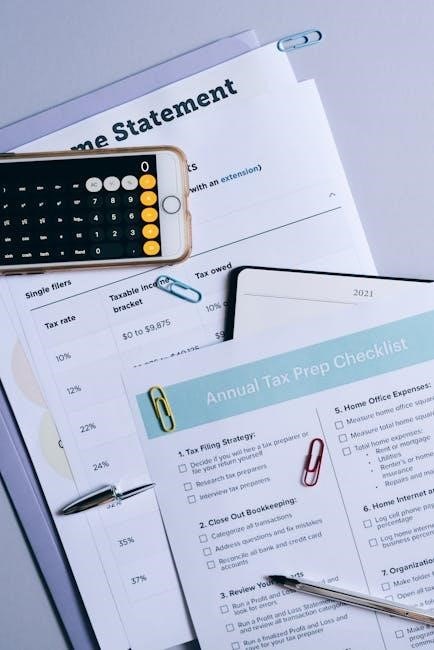
Employee-Related Deductions
Employee costs are often substantial․ A small business tax deductions checklist PDF should detail wage, salary, and benefit deductions—health insurance and retirement plans—for accurate filing․
Employee Wages & Salaries
Deducting employee compensation is fundamental․ Your small business tax deductions checklist PDF must meticulously track all wages, salaries, bonuses, and commissions paid to employees during the tax year․ This includes amounts reported on Form W-2․ Remember to accurately calculate and deduct payroll taxes, such as Social Security and Medicare contributions, as well as federal and state unemployment taxes․
Proper documentation is key; maintain detailed payroll records, including employee timesheets, pay stubs, and tax forms․ A well-organized checklist ensures you capture all eligible deductions related to your workforce․ Failing to properly account for these expenses can lead to inaccuracies and potential penalties during an audit․ Utilizing accounting software can streamline this process and improve accuracy․
Employee Benefits (Health Insurance, Retirement Plans)

Employee benefits are significantly deductible․ Your small business tax deductions checklist PDF should include detailed records of health insurance premiums paid for employees, as well as contributions made to retirement plans like 401(k)s or SIMPLE IRAs․ These costs directly reduce your taxable income, offering substantial savings․
Ensure compliance with IRS regulations regarding benefit plans․ Document all contributions and associated expenses meticulously․ A comprehensive checklist helps avoid errors and maximizes potential deductions․ Remember to track any employer-sponsored health savings account (HSA) contributions as well․ Proper record-keeping is crucial for substantiating these deductions during an audit, and simplifies tax filing․

Less Common, But Valuable Deductions
Don’t overlook often-missed deductions! A small business tax deductions checklist PDF should include items like charitable contributions, demolition costs, and potentially limited entertainment expenses․
Charitable Contributions
Donating to qualified charities can significantly reduce your small business tax liability․ A comprehensive small business tax deductions checklist PDF must include a section for meticulously documenting all charitable contributions․ This includes cash donations, as well as contributions of property, like inventory or equipment․
Remember to retain receipts and acknowledgements from the charitable organization, as these are crucial for substantiating your deductions during an audit․ The IRS has specific rules regarding the types of organizations that qualify, and the amount you can deduct may be limited based on your adjusted gross income․
Carefully review IRS Publication 526, Charitable Contributions, to ensure compliance and maximize your potential tax savings․ Utilizing a detailed checklist ensures you don’t miss this valuable deduction!
Demolition Costs or Losses
Unexpectedly, demolition expenses related to business property can be tax-deductible․ A thorough small business tax deductions checklist PDF should prompt owners to consider these often-overlooked costs․ This applies to removing structures to prepare for renovations, expansions, or even environmental remediation․
However, the deduction isn’t simply the demolition cost; it’s the loss incurred․ This means the expense must exceed any insurance proceeds or salvage value received from the demolition․ Accurate record-keeping is paramount – document all invoices, permits, and any related income․
Consult with a tax professional to determine if your demolition qualifies as a deductible loss, and to ensure proper reporting on your tax return․ Don’t let this potential deduction go unclaimed!
Entertainment Expenses (Limited)
Entertainment expenses are significantly limited for tax deduction purposes, a crucial point for any small business tax deductions checklist PDF․ Prior to 2018, a portion was deductible, but the Tax Cuts and Jobs Act drastically changed this․ Currently, most entertainment expenses are not deductible․
However, there are exceptions․ Certain directly related business meals (subject to 50% limitation) may still qualify․ Keep meticulous records, detailing the business purpose and the individuals involved․ Entertainment directly tied to substantial and economic discussions is key․
Review IRS guidelines carefully, as the rules are complex․ A detailed checklist will help ensure compliance and prevent disallowed deductions during an audit․
Club Dues & Fees
Deductibility of club dues and fees is often restricted, a critical consideration for your small business tax deductions checklist PDF․ Generally, dues paid to business, social, or recreational clubs are not deductible․ This includes country clubs, golf clubs, and similar organizations․
However, exceptions exist if the primary purpose of the club is to directly facilitate business activities․ Demonstrating a clear connection between club membership and income generation is vital․ Detailed records of business discussions and client meetings held at the club are essential․
Carefully assess whether your club membership genuinely serves a business purpose to justify the deduction․ Consult IRS publications for specific guidance․
Bad Debts
Bad debts represent uncollectible amounts from sales or services, a potentially significant item for your small business tax deductions checklist PDF․ You can deduct these debts as a business expense, but specific rules apply․ The debt must have become wholly worthless – meaning there’s no reasonable expectation of recovery․
Partial write-offs are generally not permitted․ You must demonstrate reasonable collection efforts were made, such as sending invoices and attempting communication․ Accrual-basis taxpayers can deduct bad debts, while cash-basis taxpayers typically cannot, as they never reported the income․
Proper documentation, including original invoices and collection attempts, is crucial for substantiating the deduction․

Resources & Further Information
For detailed guidance and a downloadable small business tax deductions checklist PDF, consult professional tax advisors or explore the IRS resources available online today․
Professional Tax Assistance
Engaging a qualified tax professional is invaluable for small businesses․ Navigating the complexities of tax law, especially regarding deductions, requires expertise․ A professional can ensure accurate filing, maximizing eligible deductions like those detailed in a small business tax deductions checklist PDF․
They stay current with evolving regulations, minimizing audit risks and identifying often-overlooked savings opportunities․ Prudent owners recognize the benefit of professional help, even with internal accounting․ Information gaps between business owners and accountants can occur, highlighting the need for clear communication and proactive planning․
Consider seeking assistance with tax planning throughout the year, not just during filing season, to optimize your tax strategy and leverage all available benefits․
IRS Resources for Small Businesses
The IRS offers a wealth of resources to assist small business owners with tax compliance․ Their website (irs․gov) provides detailed information on deductions, filing requirements, and frequently asked questions․ Utilizing these resources alongside a small business tax deductions checklist PDF can streamline the process․
Specifically, the IRS offers publications, online tools, and workshops tailored for small businesses․ These resources cover topics like self-employment tax, estimated taxes, and understanding various deductions․ Accessing these materials is crucial for staying informed about current tax laws and avoiding penalties․
Furthermore, the IRS Small Business and Self-Employed Tax Center is a dedicated portal offering guidance and support․ Don’t hesitate to leverage these free resources to ensure accurate and timely tax filing․