Month: December 2025

crystal puzzle instructions

crystal puzzle instructions

Crystal Puzzle Instructions: A Comprehensive Guide

Welcome! This guide provides detailed instructions for assembling and mastering crystal puzzles, offering techniques for all skill levels.

Crystal puzzles represent a fascinating intersection of art, mathematics, and problem-solving. These intricate three-dimensional puzzles, often resembling crystalline structures, challenge your spatial reasoning and patience. They’ve gained immense popularity among puzzle enthusiasts of all ages due to their captivating aesthetic and surprisingly complex internal mechanics.

Unlike traditional jigsaw puzzles, crystal puzzles don’t rely on image recognition. Instead, success hinges on understanding how the individual pieces interlock and fit together within the puzzle’s framework. This guide will equip you with the knowledge and strategies needed to successfully disassemble and, more importantly, reassemble these beautiful and challenging puzzles; Prepare to embark on a journey of mental dexterity!

What is a Crystal Puzzle?

A crystal puzzle is a mechanical dissection puzzle typically composed of six or more intricately shaped, interlocking plastic pieces. These pieces combine to form a seemingly solid, often aesthetically pleasing, geometric shape – frequently resembling a crystal, hence the name. The challenge lies in completely disassembling the puzzle and then, crucially, reassembling it back into its original, solid form.

They are not about force; successful solving relies on precise movements and understanding the internal geometry. Most crystal puzzles don’t have an obvious starting point or a clear path to completion, demanding a methodical and patient approach. They are a fantastic exercise in spatial reasoning and logical thinking.

Types of Crystal Puzzles Available

Crystal puzzles come in a surprising variety, differing in complexity and piece count. The classic six-piece puzzles are excellent for beginners, offering a manageable challenge. More advanced puzzles boast ten, twelve, or even more interlocking pieces, significantly increasing the difficulty.

Beyond piece count, puzzles vary in shape – cubes, tetrahedrons, and even more abstract forms are common. Some puzzles incorporate magnetic elements to add another layer of complexity, while others rely purely on the precision of the interlocking design. Manufacturers like Hanayama and Puzzle Master offer diverse collections, catering to all levels of puzzle enthusiasts.

Understanding the Mechanics

Delve into the fascinating world of crystal puzzle mechanics, exploring how precisely cut pieces interact to create a deceptively simple, yet complex, challenge.

The Core Principle: Interlocking Pieces

At the heart of every crystal puzzle lies the ingenious principle of interlocking pieces. Unlike traditional puzzles relying on image matching, these puzzles demand spatial reasoning and an understanding of three-dimensional geometry. Each piece is meticulously crafted with unique indentations and protrusions, designed to fit seamlessly – and sometimes deceptively – with its neighbors.

The challenge isn’t simply about finding where pieces look like they belong, but rather understanding why they belong there. Successful assembly requires recognizing how these interlocking features create a stable, unified structure. The absence of visible clues forces solvers to rely on tactile feedback and a keen awareness of the puzzle’s internal logic. This core mechanic is what elevates crystal puzzles beyond simple entertainment, transforming them into engaging mental exercises.

Symmetry and Asymmetry in Design

Crystal puzzles frequently employ both symmetry and asymmetry in their design, creating a fascinating interplay that impacts solving strategies. Many puzzles exhibit rotational symmetry, meaning identical pieces or arrangements repeat around a central axis. Recognizing this symmetry can significantly reduce the complexity, allowing you to focus on assembling one section and then replicating it.

However, complete symmetry is rare. Designers intentionally introduce asymmetry – unique pieces or irregular arrangements – to increase the challenge and prevent simple, repetitive solutions. These asymmetrical elements act as key constraints, dictating the overall structure and requiring careful consideration. Mastering a crystal puzzle involves identifying and leveraging both symmetrical patterns and the unique characteristics of asymmetrical components.

The Role of Magnetic Forces (if applicable)

Certain crystal puzzles incorporate magnets to aid assembly and provide a satisfying tactile experience. These magnetic forces aren’t about “sticking” pieces together randomly; they’re precisely engineered to guide correct alignment and prevent incorrect configurations. You’ll notice a subtle ‘snap’ or increased resistance when pieces are properly oriented due to the magnetic attraction.

However, relying solely on the magnetic pull is a mistake. Magnets can sometimes mask misalignment, leading to a seemingly secure but ultimately incorrect assembly. Always verify visual alignment alongside the magnetic feedback. Understanding the magnetic field’s influence – its strength and direction – is crucial for efficiently solving puzzles utilizing this feature.

Getting Started: Initial Steps

Before diving in, carefully prepare for the challenge! These initial steps ensure a smooth and enjoyable puzzle-solving experience from the very beginning.

Unboxing and Inspection

The first step is carefully removing your crystal puzzle from its packaging. Retain the box for potential storage or transport later. Inspect all components for any shipping damage – chips, cracks, or missing pieces. While rare, it’s best to identify issues immediately.

Count the pieces to confirm you have the complete set, referencing the puzzle’s documentation if available. Familiarize yourself with the overall shape and feel of the puzzle. Note any distinct markings or variations in the pieces; A gentle cleaning with a soft cloth can remove any dust or residue from manufacturing.

Take a moment to appreciate the puzzle’s aesthetic before attempting assembly; it’s a beautiful object even disassembled!

Identifying Key Pieces

Most crystal puzzles aren’t comprised of identical pieces. Look for corner pieces – these typically have three angled surfaces and form the puzzle’s initial structure. Edge pieces possess two angled surfaces, connecting corners and filling out layers. Center pieces, often the most numerous, have multiple flat surfaces and reside within the puzzle’s core.

Pay attention to subtle differences in piece shape and size. Some puzzles feature pieces with unique indentations or protrusions, acting as key connectors. Identifying these ‘key’ pieces early simplifies the solving process. Don’t underestimate the importance of visual sorting; grouping similar pieces streamlines assembly.

Consider color variations if your puzzle has them, aiding in pattern recognition.

Understanding the Puzzle’s Orientation

Before beginning, carefully observe the puzzle’s overall shape. Most crystal puzzles have a defined ‘top’ and ‘bottom’, or a specific front face. Identifying this initial orientation is crucial; incorrect starting points lead to frustration. Look for subtle clues – a slightly different edge finish, or a more pronounced corner.

Visualize the completed form. Imagine how the pieces will interlock to create a cohesive structure. This mental image guides your assembly process. Rotating the puzzle in your hands helps grasp its three-dimensional form.

Note any directional indicators, if present, on the pieces themselves. These markings subtly suggest proper alignment.

Solving Strategies: Beginner Level

Start slowly! Beginners should embrace patience, explore piece connections, and focus on building a small, stable section initially for success.

The “Trial and Error” Approach

Embrace experimentation! For newcomers, the “trial and error” method is a perfectly valid starting point. Don’t be afraid to simply try fitting pieces together – observe how they interact, even if the connection doesn’t immediately seem correct.

This isn’t about random guessing, though. Pay attention to the shapes and angles. Notice which pieces almost fit, and consider why they don’t. This process builds an intuitive understanding of the puzzle’s geometry.

It’s crucial to avoid forcing anything. Gentle manipulation is key. If a piece resists, stop and reassess. Repeatedly forcing can damage the puzzle. Document successful and unsuccessful attempts mentally; this helps avoid repeating mistakes and accelerates learning.

Focusing on Corner Pieces First

Strategic beginnings! When initiating assembly, prioritize the corner pieces. These often have the most distinct shapes and limited connection points, making them easier to correctly position within the overall structure. Successfully placing corners establishes a foundational framework for subsequent piece integration.

Identifying the correct orientation of corner pieces is vital. Observe their angles and how they relate to the puzzle’s overall form. Once a corner is secure, it provides a stable reference point for attaching adjacent pieces.

Don’t rush this stage. A solid corner foundation significantly simplifies the puzzle’s progression, preventing frustration and promoting a more logical solving process.

Building a Foundation – The First Layer

Establishing stability! After securing the corner pieces, concentrate on completing the first layer of the puzzle. This involves connecting the edge pieces to form a complete, flat surface. Look for pieces with complementary shapes that seamlessly interlock with both the corners and each other.

Pay close attention to the puzzle’s color scheme, if applicable, as this can provide valuable clues for correct placement. Gently manipulate the pieces, avoiding excessive force. A properly constructed first layer acts as a robust base for tackling the more complex inner layers.

Ensure all pieces in the first layer are flush and securely connected before proceeding.

Intermediate Techniques

Elevate your skills! Discover advanced methods like pattern recognition and symmetry exploitation to efficiently solve increasingly complex crystal puzzle configurations.

Recognizing Pattern Recognition

Unlocking the puzzle’s secrets often hinges on identifying repeating patterns within the crystal’s structure. These aren’t always immediately obvious, requiring careful observation of piece shapes and their potential interlocks. Look for sequences of colors, or how specific pieces consistently connect to others.

Begin by focusing on smaller, localized patterns – perhaps a group of three pieces that always fit together in a certain way. Once you’ve identified these micro-patterns, try to extrapolate them to larger sections of the puzzle.

Consider how these patterns might rotate or mirror themselves throughout the entire structure. Recognizing these repeating motifs dramatically reduces the guesswork involved and allows for a more strategic approach to assembly, accelerating your solving process.

Utilizing Symmetry to Your Advantage

Crystal puzzles frequently leverage symmetry – a powerful tool for solvers. Many puzzles exhibit rotational or reflectional symmetry, meaning identical sections repeat around a central point or axis. Identifying this symmetry is crucial.

If you solve one section, you can often infer the solution for its symmetrical counterpart. This significantly reduces the number of unique configurations you need to explore. Focus on building symmetrical portions simultaneously, rather than tackling the puzzle randomly.

Pay attention to piece shapes; symmetrical pieces will naturally fit into symmetrical locations. Exploiting symmetry isn’t just about speed; it’s about understanding the puzzle’s underlying logic and simplifying the solving process.

The Importance of Gentle Manipulation

Force is rarely the answer when solving a crystal puzzle. These puzzles are designed with precision, and forcing pieces can lead to damage, misalignment, or even breakage. Instead, prioritize gentle manipulation and careful observation.

A slight wiggle, a subtle shift in angle, or a gentle push is often all that’s needed to seat a piece correctly. If a piece resists movement, don’t apply more pressure; reassess the surrounding pieces and the overall structure.

Feel for a satisfying ‘click’ or smooth engagement, indicating proper alignment. Patience and a delicate touch are key to success and preserving the integrity of your puzzle.

Advanced Solving Methods

Mastering complexity requires mental deconstruction, visualizing internal structures, and predicting piece movements for efficient assembly of the crystal puzzle.

Deconstructing the Puzzle Mentally

Before physically manipulating the puzzle further, take time to mentally disassemble it. Imagine the pieces separating and flowing apart, tracing their potential paths. This isn’t about finding the solution immediately, but understanding the puzzle’s inherent structure.

Focus on how individual pieces interact – which faces connect, and what movements are possible. Visualize rotating sections in your mind, anticipating how this impacts adjacent components. Think of the puzzle not as a solid object, but as a network of interconnected parts.

This mental exercise builds spatial reasoning and allows you to predict outcomes before committing to a physical move, saving time and preventing frustration. It’s about building an internal model of the puzzle’s mechanics.

Visualizing the Internal Structure

Beyond simply seeing the external form, strive to visualize the puzzle’s internal arrangement. Imagine lines connecting corresponding points within the structure, revealing hidden pathways and relationships. This requires abstract thought, picturing how pieces interlock inside the completed form.

Consider the puzzle as transparent, allowing you to see through the layers. Focus on the core – the central pieces that dictate the overall assembly. Understanding this core is crucial for navigating more complex stages.

Practice mentally rotating the entire puzzle, observing how internal connections shift and change. This skill allows you to anticipate the consequences of each move, leading to a more efficient solving process.

Predicting Piece Movement

A key advancement in solving involves anticipating how a piece’s movement affects surrounding components. Don’t just move a piece and then observe the result; try to foresee the cascade of changes beforehand. This demands spatial reasoning and a grasp of the puzzle’s interconnectedness.

Before committing to a move, mentally trace the path the piece will take, noting which other pieces it will interact with. Consider the angles and potential obstructions;

Experienced solvers often “play” the puzzle in their minds, simulating several moves before physically manipulating any pieces. This predictive ability minimizes wasted effort and accelerates the solving process, fostering a deeper understanding.

Troubleshooting Common Issues

Encountering difficulties? This section addresses frequent problems like stuck pieces and incorrect assembly, offering solutions to keep your puzzle journey smooth.

Stuck Pieces – What to Do

A common frustration! When a piece refuses to budge, resist the urge to force it – this can damage the delicate structure. Gently try wiggling the piece in multiple directions. Often, a slight shift in angle is all that’s needed.

Carefully examine the surrounding pieces; a neighboring piece might be obstructing the movement. Try subtly adjusting those adjacent components. If it still won’t move, step away for a moment! A fresh perspective can reveal a hidden solution.

Important: Avoid using tools! Your fingers are the best instruments. Patience is key; remember that crystal puzzles are designed to be challenging, but not destructive.

Avoiding Forcing Pieces

Critical advice! The most significant mistake beginners make is applying excessive force. Crystal puzzles are precision-engineered; forcing pieces can easily lead to breakage or damage the interlocking mechanisms. Remember, these aren’t brute-force challenges, but tests of spatial reasoning and gentle manipulation.

If a piece doesn’t fit easily, it’s not meant to be there yet. Re-evaluate your approach and examine the puzzle’s structure. A slight misalignment elsewhere could be the culprit.

Think before you push! Always ensure you understand the intended movement before applying any pressure. Patience and a delicate touch will ultimately save you frustration and preserve your puzzle’s integrity.

Recognizing Incorrect Assembly

Early detection is key! Incorrect assembly often manifests as subtle resistance or an unnatural “give” when attempting further connections. Unlike a smooth, satisfying click, misaligned pieces feel awkward and unstable. Don’t ignore these warning signs – continuing will only exacerbate the problem.

Look for gaps or uneven surfaces when the puzzle is partially assembled. Symmetry is a crucial indicator; if one side appears significantly different from its counterpart, something is likely amiss.

Don’t be afraid to disassemble! If you suspect an error, gently take apart the affected section and reassess your steps. It’s far easier to correct a mistake early on than to unravel a complex, flawed structure.

Maintaining Your Crystal Puzzle

Preserve its beauty! Proper care ensures longevity; keep your puzzle pristine with gentle cleaning and secure storage, avoiding scratches or damage.

Cleaning and Care

Keeping it sparkling! Regular cleaning maintains your crystal puzzle’s aesthetic appeal and ensures smooth manipulation of the pieces. Dust accumulation can hinder movement, so a soft, dry microfiber cloth is ideal for routine dusting. For more stubborn grime, slightly dampen the cloth with lukewarm water – never use harsh chemicals or abrasive cleaners, as these can damage the puzzle’s finish.

Avoid prolonged exposure to direct sunlight, which may cause fading or discoloration over time. If fingerprints are a concern, a gentle glass cleaner specifically designed for delicate surfaces can be used sparingly, followed by a thorough wipe with a clean, dry cloth. Remember to disassemble the puzzle as much as possible before cleaning to reach all crevices.

Storage Recommendations

Protecting your investment! Proper storage safeguards your crystal puzzle from damage and ensures its longevity. Ideally, store the puzzle in its original packaging when not in use, providing a snug fit and protection from dust and accidental impacts. If the original packaging isn’t available, a padded case or a soft cloth pouch are excellent alternatives.

Avoid storing the puzzle in areas with extreme temperatures or humidity, as these conditions can warp or damage the pieces. Keep it away from direct sunlight to prevent fading. A stable, flat surface is crucial to prevent pieces from shifting and potentially becoming misaligned during storage.

Preventing Damage

Handle with care! Crystal puzzles, while durable, require mindful handling to avoid damage. Never force pieces together; gentle manipulation is key. Dropping the assembled or disassembled puzzle can cause breakage, so work over a soft surface like a towel or carpet.

Avoid exposing the puzzle to harsh chemicals or abrasive cleaners, as these can scratch or discolor the surface. Keep it away from small children and pets who might accidentally damage or swallow pieces. Regularly inspect the puzzle for any loose or damaged components and address them promptly to prevent further issues.

Resources and Further Learning

Expand your skills! Explore online forums, video tutorials, and advanced puzzle variations to deepen your understanding and challenge yourself further.

Online Communities and Forums

Connect with fellow enthusiasts! Several vibrant online communities are dedicated to crystal puzzle solvers of all levels. These platforms offer a fantastic space to share solving strategies, ask for help when stuck, and showcase your completed puzzles.

Reddit’s r/crystalpuzzles is a particularly active forum, boasting a large and helpful community. You’ll find discussions on various puzzle types, solution guides, and even trading opportunities. Dedicated Facebook groups also exist, providing a more visually-oriented platform for sharing progress and seeking advice.

Websites like PuzzleMad offer forums and resources, while dedicated puzzle shops often host their own online communities. Don’t hesitate to join these groups – learning from others’ experiences can significantly accelerate your puzzle-solving journey!

Video Tutorials and Guides

Visual learning is key! For many, watching someone solve a crystal puzzle is far more effective than reading instructions. YouTube is a treasure trove of video tutorials, catering to various puzzle types and difficulty levels. Search for the specific puzzle you own to find targeted guides.

Channels like “The Serenity Puzzle” and others dedicated to mechanical puzzles frequently feature crystal puzzle solutions. These videos often demonstrate step-by-step assembly, highlighting crucial maneuvers and potential pitfalls.

Beyond full solutions, look for videos explaining core solving techniques and strategies. These can provide a deeper understanding of the puzzle’s mechanics, empowering you to tackle future challenges independently. Remember to pause and rewind as needed!

Advanced Puzzle Variations

Beyond the basics, the world of crystal puzzles expands into incredibly complex designs. Some puzzles feature asymmetrical piece arrangements, demanding a more intuitive and less formulaic approach to solving. Others incorporate hidden internal mechanisms, adding layers of difficulty.

Look for puzzles with a higher piece count – these significantly increase the challenge. Variations also exist with differing magnetic strengths (if magnetic), impacting the feel and required precision. Explore puzzles with non-standard shapes, moving beyond the typical cube.

Mastering these advanced variations requires a strong grasp of the fundamental principles, combined with patience and a willingness to experiment. They represent the ultimate test for any crystal puzzle enthusiast!

Posted by kasey in Instructions, 0 comments
small business tax deductions checklist pdf

small business tax deductions checklist pdf

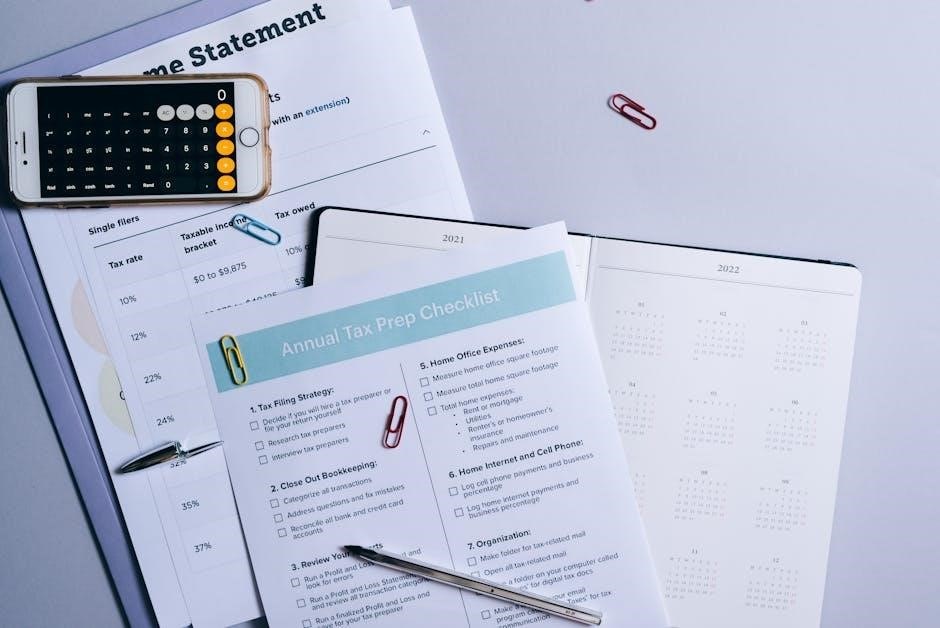
Small Business Tax Deductions Checklist: A Comprehensive Guide (Updated December 16, 2025)

Navigating small business taxes requires diligent record-keeping and awareness of available deductions․ This comprehensive guide, updated today, December 16, 2025,
details crucial deductions,
including start-up costs, office expenses, and the Qualified Business Income (QBI) deduction, helping owners maximize savings and ensure compliance․

A downloadable small business tax deductions checklist PDF is a valuable tool for organization, ensuring no eligible expense is overlooked during tax preparation․

Understanding and utilizing small business tax deductions is paramount for financial health․ Many owners are unaware of the numerous incentives and subsidies available, potentially leaving significant savings on the table․ A well-maintained small business tax deductions checklist PDF serves as a vital organizational tool, ensuring all eligible expenses are accounted for when filing․

Accurate record-keeping and professional tax assistance are crucial, bridging potential information gaps․ Prudent owners proactively seek expert guidance to navigate complexities and ensure compliance․ Regularly reviewing deductions, like the Section 199A QBI deduction, and staying updated on changes, such as those impacting tip deductions for various occupations, is essential․ Utilizing a checklist PDF streamlines this process, promoting efficiency and maximizing potential tax benefits․

Common Small Business Tax Deductions

Frequently claimed deductions include start-up expenses, office supplies, home office costs, business meals, and travel․ A small business tax deductions checklist PDF simplifies tracking these common items․

Start-Up Expenses

Initial costs to launch a business are often deductible, but limitations apply․ You can generally deduct up to $5,000 in start-up costs and $5,000 in organizational costs in the year the business begins operating․

Expenses exceeding this $10,000 threshold are amortized over 180 months․ Qualifying start-up expenses include market research, travel to secure funding, and costs associated with forming the business entity․

Maintaining meticulous records is crucial․ A small business tax deductions checklist PDF should include a dedicated section for start-up costs, detailing each expense with supporting documentation․ Proper categorization ensures you maximize your initial deductions and avoid potential issues during an audit․

Office Supplies & Expenses

Everyday operational costs for your business are generally tax-deductible․ This encompasses a wide range of items, including pens, paper, printer ink, and software subscriptions․ Expenses extend beyond consumables to include furniture, equipment, and necessary repairs․

Remember to differentiate between expenses and assets; larger purchases with a lifespan exceeding one year are typically depreciated rather than fully deducted․

A comprehensive small business tax deductions checklist PDF should feature a detailed section for office supplies and expenses, categorizing items for easy tracking․ Consistent record-keeping, including receipts, is vital for substantiating these deductions during tax season and potential audits․

Home Office Deduction

The home office deduction allows eligible self-employed individuals to deduct expenses related to the business use of their home․ To qualify, the space must be exclusively and regularly used for business purposes – a dedicated office, not a multipurpose room․

Deductible expenses include mortgage interest, rent, utilities, insurance, and depreciation․ There are two calculation methods: the simplified option (a standard rate per square foot) and the regular method (calculating actual expenses)․

A small business tax deductions checklist PDF should include a dedicated section for home office expenses, outlining eligibility requirements and calculation methods․ Accurate square footage measurement and detailed expense tracking are crucial for maximizing this deduction․

Business Meals

Deducting business meal expenses requires careful adherence to IRS guidelines․ Generally, only 50% of the cost of business meals is deductible, provided they are ordinary and necessary, and directly related to or associated with your trade or business․

The meal must be with a current or potential client, customer, consultant, or business associate․ Detailed records are essential, including the date, location, attendees, and business purpose of the meal․

A comprehensive small business tax deductions checklist PDF should feature a dedicated section for business meals, emphasizing documentation requirements and the 50% limitation․ Maintaining receipts and detailed notes will streamline the deduction process․

Business Travel Expenses

Deducting business travel expenses can significantly reduce your tax liability, but requires meticulous record-keeping․ Allowable expenses include transportation (airfare, mileage), lodging, meals (subject to the 50% limitation), and incidental costs directly related to the business trip․

The primary purpose of the trip must be business-related; personal activities should not dominate the itinerary․ Maintaining a travel log detailing dates, destinations, business purpose, and expenses is crucial․

A thorough small business tax deductions checklist PDF should include a dedicated section for travel, outlining acceptable expenses and documentation needs․ Accurate mileage tracking and receipt preservation are vital for maximizing deductions․

Deductions Related to Operations & Assets

Optimize your tax strategy by claiming deductions for operational costs and asset depreciation․ A small business tax deductions checklist PDF
will help track eligible expenses for maximum savings․

Business Interest Deduction

The business interest deduction allows eligible businesses to deduct expenses paid on loans, crucial for managing cash flow and reducing taxable income․ This deduction applies to interest paid on debts incurred to finance business operations, including lines of credit, mortgages, and other forms of borrowing․

However, limitations may apply, particularly for larger businesses, potentially restricting the deduction to a percentage of adjusted taxable income․ Utilizing a comprehensive small business tax deductions checklist PDF is vital for accurately calculating and documenting eligible interest expenses․

Proper record-keeping, including loan statements and interest payment confirmations, is essential to support this deduction during an audit․ Consulting with a tax professional ensures compliance with current regulations and maximizes potential savings․

Depreciation of Business Assets

Depreciation allows businesses to deduct the cost of tangible assets—like equipment, vehicles, and buildings—over their useful life, rather than expensing the full cost immediately․ This recognizes the gradual decline in an asset’s value due to wear and tear, usage, or obsolescence․

Various depreciation methods exist, including straight-line and accelerated methods, each impacting the timing of deductions․ A detailed small business tax deductions checklist PDF should include a section for tracking asset purchases, depreciation methods used, and accumulated depreciation․

Section 179 expensing offers an immediate deduction for certain qualifying assets, potentially exceeding depreciation limits․ Accurate record-keeping and professional guidance are crucial for maximizing depreciation benefits and ensuring compliance․

Energy Efficient Commercial Buildings Deduction

The Energy Efficient Commercial Buildings Deduction (Section 179D) incentivizes investments in energy-reducing property for commercial buildings․ This deduction can be substantial, offering up to $1․80 per square foot for qualifying improvements, depending on the level of energy savings achieved․

Qualifying improvements include upgrades to HVAC, lighting, and building envelope systems․ A comprehensive small business tax deductions checklist PDF should include a dedicated section for documenting energy-efficient upgrades, associated costs, and energy reduction calculations․

Detailed engineering reports are often required to substantiate the deduction․ Consulting with a tax professional specializing in energy tax credits is highly recommended to navigate the complex requirements and maximize potential savings․

Qualified Business Income (QBI) Deduction (Section 199A)

The Qualified Business Income (QBI) deduction, under Section 199A, allows eligible self-employed individuals and small business owners to deduct up to 20% of their qualified business income․ This is a significant tax benefit, potentially lowering your overall tax liability substantially․ However, limitations apply based on taxable income․

A thorough small business tax deductions checklist PDF must include a section dedicated to calculating QBI, considering any limitations based on your income level and the type of business․ Accurate record-keeping of business income and expenses is crucial for this calculation․

Understanding the complexities of Section 199A often requires professional tax advice to ensure proper application and maximize your deduction․

Employee-Related Deductions

Employee costs are often substantial․ A small business tax deductions checklist PDF should detail wage, salary, and benefit deductions—health insurance and retirement plans—for accurate filing․

Employee Wages & Salaries

Deducting employee compensation is fundamental․ Your small business tax deductions checklist PDF must meticulously track all wages, salaries, bonuses, and commissions paid to employees during the tax year․ This includes amounts reported on Form W-2․ Remember to accurately calculate and deduct payroll taxes, such as Social Security and Medicare contributions, as well as federal and state unemployment taxes․

Proper documentation is key; maintain detailed payroll records, including employee timesheets, pay stubs, and tax forms․ A well-organized checklist ensures you capture all eligible deductions related to your workforce․ Failing to properly account for these expenses can lead to inaccuracies and potential penalties during an audit․ Utilizing accounting software can streamline this process and improve accuracy․

Employee Benefits (Health Insurance, Retirement Plans)

Employee benefits are significantly deductible․ Your small business tax deductions checklist PDF should include detailed records of health insurance premiums paid for employees, as well as contributions made to retirement plans like 401(k)s or SIMPLE IRAs․ These costs directly reduce your taxable income, offering substantial savings․

Ensure compliance with IRS regulations regarding benefit plans․ Document all contributions and associated expenses meticulously․ A comprehensive checklist helps avoid errors and maximizes potential deductions․ Remember to track any employer-sponsored health savings account (HSA) contributions as well․ Proper record-keeping is crucial for substantiating these deductions during an audit, and simplifies tax filing․

Less Common, But Valuable Deductions

Don’t overlook often-missed deductions! A small business tax deductions checklist PDF should include items like charitable contributions, demolition costs, and potentially limited entertainment expenses․

Charitable Contributions

Donating to qualified charities can significantly reduce your small business tax liability․ A comprehensive small business tax deductions checklist PDF must include a section for meticulously documenting all charitable contributions․ This includes cash donations, as well as contributions of property, like inventory or equipment․

Remember to retain receipts and acknowledgements from the charitable organization, as these are crucial for substantiating your deductions during an audit․ The IRS has specific rules regarding the types of organizations that qualify, and the amount you can deduct may be limited based on your adjusted gross income․

Carefully review IRS Publication 526, Charitable Contributions, to ensure compliance and maximize your potential tax savings․ Utilizing a detailed checklist ensures you don’t miss this valuable deduction!

Demolition Costs or Losses

Unexpectedly, demolition expenses related to business property can be tax-deductible․ A thorough small business tax deductions checklist PDF should prompt owners to consider these often-overlooked costs․ This applies to removing structures to prepare for renovations, expansions, or even environmental remediation․

However, the deduction isn’t simply the demolition cost; it’s the loss incurred․ This means the expense must exceed any insurance proceeds or salvage value received from the demolition․ Accurate record-keeping is paramount – document all invoices, permits, and any related income․

Consult with a tax professional to determine if your demolition qualifies as a deductible loss, and to ensure proper reporting on your tax return․ Don’t let this potential deduction go unclaimed!

Entertainment Expenses (Limited)

Entertainment expenses are significantly limited for tax deduction purposes, a crucial point for any small business tax deductions checklist PDF․ Prior to 2018, a portion was deductible, but the Tax Cuts and Jobs Act drastically changed this․ Currently, most entertainment expenses are not deductible․

However, there are exceptions․ Certain directly related business meals (subject to 50% limitation) may still qualify․ Keep meticulous records, detailing the business purpose and the individuals involved․ Entertainment directly tied to substantial and economic discussions is key․

Review IRS guidelines carefully, as the rules are complex․ A detailed checklist will help ensure compliance and prevent disallowed deductions during an audit․

Club Dues & Fees

Deductibility of club dues and fees is often restricted, a critical consideration for your small business tax deductions checklist PDF․ Generally, dues paid to business, social, or recreational clubs are not deductible․ This includes country clubs, golf clubs, and similar organizations․

However, exceptions exist if the primary purpose of the club is to directly facilitate business activities․ Demonstrating a clear connection between club membership and income generation is vital․ Detailed records of business discussions and client meetings held at the club are essential․

Carefully assess whether your club membership genuinely serves a business purpose to justify the deduction․ Consult IRS publications for specific guidance․

Bad Debts

Bad debts represent uncollectible amounts from sales or services, a potentially significant item for your small business tax deductions checklist PDF․ You can deduct these debts as a business expense, but specific rules apply․ The debt must have become wholly worthless – meaning there’s no reasonable expectation of recovery․

Partial write-offs are generally not permitted․ You must demonstrate reasonable collection efforts were made, such as sending invoices and attempting communication․ Accrual-basis taxpayers can deduct bad debts, while cash-basis taxpayers typically cannot, as they never reported the income․

Proper documentation, including original invoices and collection attempts, is crucial for substantiating the deduction․

Resources & Further Information

For detailed guidance and a downloadable small business tax deductions checklist PDF, consult professional tax advisors or explore the IRS resources available online today․

Professional Tax Assistance

Engaging a qualified tax professional is invaluable for small businesses․ Navigating the complexities of tax law, especially regarding deductions, requires expertise․ A professional can ensure accurate filing, maximizing eligible deductions like those detailed in a small business tax deductions checklist PDF․

They stay current with evolving regulations, minimizing audit risks and identifying often-overlooked savings opportunities․ Prudent owners recognize the benefit of professional help, even with internal accounting․ Information gaps between business owners and accountants can occur, highlighting the need for clear communication and proactive planning․

Consider seeking assistance with tax planning throughout the year, not just during filing season, to optimize your tax strategy and leverage all available benefits․

IRS Resources for Small Businesses

The IRS offers a wealth of resources to assist small business owners with tax compliance․ Their website (irs․gov) provides detailed information on deductions, filing requirements, and frequently asked questions․ Utilizing these resources alongside a small business tax deductions checklist PDF can streamline the process․

Specifically, the IRS offers publications, online tools, and workshops tailored for small businesses․ These resources cover topics like self-employment tax, estimated taxes, and understanding various deductions․ Accessing these materials is crucial for staying informed about current tax laws and avoiding penalties․

Furthermore, the IRS Small Business and Self-Employed Tax Center is a dedicated portal offering guidance and support․ Don’t hesitate to leverage these free resources to ensure accurate and timely tax filing․

Posted by kasey in PDF, 0 comments
eyelash extension size guide

eyelash extension size guide

Eyelash Extension Size Guide: A Comprehensive Overview

Navigating the world of eyelash extensions requires understanding optimal sizes for both health and aesthetics․ This guide details natural lash assessment, extension weight limits, and length selection for stunning, safe results․

Understanding Natural Lash Length & Maximum Extension Weight

Determining a client’s natural lash length is paramount before applying any eyelash extensions․ This assessment dictates the appropriate extension weight and length to prevent damage․ The fundamental principle revolves around maintaining the natural lash’s carrying capacity; overloading can lead to premature shedding or even lash loss․

Generally, a 2-3mm difference between the natural lash and the extension is considered safe․ Heavier extensions necessitate shorter lengths, while finer lashes can support slightly longer ones․ Understanding that each natural lash has a limited lifespan, careful consideration of weight is crucial for long-term lash health․ Prioritizing lash health ensures a beautiful, sustainable result for your clients․

The Golden Rule: 2-3mm Maximum Extension Length

The cornerstone of safe eyelash extension application is adhering to the 2-3mm maximum length rule․ This principle safeguards the natural lashes from undue stress and potential damage․ Exceeding this limit significantly increases the risk of breakage and premature lash fallout․ It’s vital to remember that extensions are adhered to natural lashes, and their weight impacts the natural lash’s lifecycle․

This guideline isn’t merely a suggestion; it’s a crucial safety measure․ Even with lightweight extensions, exceeding the 2-3mm difference can compromise lash health․ Prioritizing the integrity of the natural lash over dramatic length is paramount for a sustainable and healthy extension experience․ Consistent adherence to this rule ensures client satisfaction and long-term lash preservation․

Determining Natural Lash Length for Extension Selection

Accurate assessment of natural lash length is fundamental to successful eyelash extension application․ This isn’t simply a visual estimation; precise measurement is key․ Utilize specialized lash calipers or a dedicated lash ruler to determine the length in millimeters․ Measure across a representative sample of lashes from both eyes, noting variations․

Consider that lash length isn’t uniform across the eye․ Inner corner lashes are typically shorter, gradually increasing towards the center, and potentially decreasing again towards the outer corner․ Documenting these variations allows for customized extension mapping․ Understanding the client’s natural lash structure ensures appropriate extension weight and length selection, maximizing both aesthetics and lash health․

Short Natural Lashes (4-6mm): Extension Recommendations

For clients with short natural lashes, measuring 4-6mm, the goal is to create the illusion of length and fullness without compromising lash health․ Extension recommendations typically fall within the 8-9mm range, adding a subtle yet noticeable enhancement․ Avoid excessively long extensions, as the added weight can cause damage or premature shedding․

Prioritize lighter-weight extensions, such as 0․03mm or 0․05mm diameter, to minimize stress on the delicate natural lashes․ A C curl often provides a beautiful lift and curl, opening up the eyes․ Careful mapping is crucial, focusing on building density towards the outer corners to create a balanced and flattering look․ Regular maintenance appointments are essential to maintain lash health․

Medium Natural Lashes (7-9mm): Extension Recommendations

Clients possessing medium natural lashes, measuring 7-9mm, offer greater versatility in extension choices․ Extension lengths of 10-12mm are generally recommended, providing a noticeable increase in length and volume while remaining proportionate․ A wider range of curls, including B, C, and even subtle D curls, can be utilized to achieve diverse looks, from natural to more dramatic․

Consider extension diameters of 0․05mm to 0․07mm, depending on the desired fullness and the client’s natural lash strength․ Strategic mapping allows for customization, with options to emphasize the outer corners or create a more uniform effect․ Maintaining a healthy lash line requires proper aftercare and regular fills to prevent damage and ensure long-lasting results․

Long Natural Lashes (10mm+): Extension Recommendations

Individuals with long natural lashes (10mm and above) have a fantastic base for stunning eyelash extensions․ Extension lengths ranging from 12-14mm, or even longer for a dramatic effect, are suitable, but careful consideration of weight is crucial․ Prioritize maintaining the health of the natural lashes by avoiding excessive weight that could cause damage or premature shedding․

Opt for lighter extension diameters, such as 0․05mm or 0․07mm, and explore various curls – C or D curls are popular choices for enhancing the natural lift․ Lash mapping becomes particularly important to create balanced and customized looks․ Focus on adding volume and definition rather than solely increasing length, ensuring a natural and elegant appearance․

Eyelash Extension Thickness & Diameter

Diameter, measured in millimeters, significantly impacts the extension’s look and feel․ Options range from ultra-fine 0․02mm to thicker 0․10mm, influencing volume and lash health․

0․02mm Lash Extensions: The Thinnest Option

0․02mm lash extensions represent the most delicate and lightweight choice available for clients with fine or weak natural lashes․ These ultra-thin extensions minimize stress on the natural lash, promoting long-term lash health and preventing damage․ They are ideal for creating a very natural, subtle enhancement, mimicking the look of mascara without appearing overly dramatic․

Because of their fineness, 0․02mm lashes are often preferred for clients who are new to extensions or those with sparse natural lashes․ They allow for building volume gradually without overwhelming the eye․ However, due to their delicate nature, they require a skilled lash artist to apply them correctly, ensuring secure attachment and longevity․ These are frequently used in combination with other thicknesses to create customized volume sets․ Proper aftercare is crucial to maintain the integrity of these extensions․

0․03mm Lash Extensions: For Mega Volume Sets

0․03mm lash extensions are specifically designed for creating dramatic, high-volume mega volume sets, allowing technicians to construct fans of up to 20D or even more․ Their flexibility and lightweight nature enable the creation of full, fluffy lashes without weighing down the natural lash․ This thickness is a favorite among artists specializing in advanced volume techniques․

While capable of delivering stunning results, 0;03mm extensions require a highly skilled and experienced lash technician․ Proper fan-making technique and precise application are essential to prevent twisting, sticking, or damage to the natural lashes․ They are best suited for clients with strong, healthy natural lashes that can support the added weight․ Careful consideration of the client’s natural lash health is paramount before using this thickness․

0․05mm Lash Extensions: A Popular Choice for Volume

0․05mm lash extensions strike an excellent balance between creating noticeable volume and maintaining a lightweight feel, making them a consistently popular choice for both technicians and clients․ This diameter is versatile enough to build beautiful volume sets, typically ranging from 3D to 10D, offering a fuller, more dramatic look than classic lashes without being overly heavy․

They are considered a good starting point for those transitioning from classic to volume techniques, as they are more forgiving than thinner diameters․ 0․05mm extensions work well on a wider range of natural lash types, provided the technician assesses the lash health and strength appropriately; They provide a soft, natural-looking volume that enhances the eyes beautifully, and are a reliable option for achieving a textured, full lash line․

0․07mm & 0․10mm Lash Extensions: Classic & Hybrid Sets

0․07mm and 0․10mm lash extensions are staples for creating classic and hybrid eyelash sets, offering a natural yet enhanced look․ 0․07mm is a fantastic option for clients with finer natural lashes, providing a delicate volume without causing damage․ It allows for a more comfortable wear and a subtle enhancement of the natural lash line․

0․10mm extensions are ideal for those seeking a slightly bolder classic look or as a base for hybrid sets, blending classic and volume techniques․ These diameters are generally well-tolerated and suitable for a broad range of clients․ They provide sufficient weight for noticeable definition while remaining gentle on the natural lashes․ Hybrid sets utilizing both 0․07mm and 0․10mm allow for customized texture and dimension․

Eyelash Extension Curl Types

Curl selection dramatically impacts the final look! Options range from natural J curls to dramatic D curls, influencing lift and overall aesthetic appeal for each client․

J Curl: Natural-Looking Curl

J curls are designed to mimic the appearance of naturally curled lashes, offering a subtle enhancement without a dramatic, obviously “done” look․ This curl type is ideal for clients who prefer a very natural aesthetic or have naturally quite straight lashes that they want to gently lift․

Because of its minimal curl, the J curl is often recommended for the outer corners of the eye to create a more balanced and realistic appearance․ It’s a fantastic choice for those new to extensions, as it provides a comfortable transition into the world of lash enhancements․

The J curl doesn’t require significant adjustments to the natural lash position, minimizing stress and promoting long-term lash health․ It’s a versatile option that can be combined with other curl types to create customized sets, offering a soft, everyday elegance․ It’s a great starting point for a natural look․

B Curl: Subtle Lift & Curl

B curls provide a more noticeable lift than J curls, yet still maintain a natural appearance․ They offer a gentle curve, creating a subtle, wide-eyed effect without appearing overly dramatic․ This curl is a popular choice for clients seeking a bit more definition and lift than a J curl can provide, but who aren’t ready for the bolder look of a C curl․

The B curl is particularly flattering for individuals with slightly downturned eyes, as it helps to lift and open up the eye area․ It’s versatile enough to be used across the entire lash line or strategically placed to enhance specific areas․

It’s a comfortable option for most clients, as it doesn’t require significant manipulation of the natural lash․ B curls are a great stepping stone for those wanting to experiment with more pronounced curls, offering a balanced and elegant enhancement․

C Curl: Most Popular Curl for a Noticeable Lift

C curls are arguably the most requested and versatile curl type in eyelash extensions, offering a beautiful, noticeable lift without appearing overly dramatic․ This curl creates a more open and awake look, enhancing the eye’s natural shape․ It’s a fantastic choice for a wide range of eye shapes and desired styles, making it a staple for lash technicians․

The ‘C’ curl provides a significant lift compared to J or B curls, making it ideal for clients with straight or slightly downturned lashes․ It’s effective in creating a more defined and lifted appearance, instantly brightening the eyes․

Technicians often use C curls for full sets or hybrid designs, as they offer a balanced and flattering result․ They are suitable for various lash lengths and diameters, allowing for customization to achieve the perfect look․

D Curl: Dramatic & Bold Curl

D curl eyelash extensions deliver a strikingly dramatic and bold look, characterized by an intense, lifted effect․ This curl is significantly more curled than C curls, creating a very noticeable and glamorous appearance; It’s favored by clients seeking a high-impact lash style, often resembling the look of a professional lash lift with mascara․

Due to its intensity, D curl is best suited for individuals with naturally strong and healthy lashes capable of supporting the weight․ Technicians should exercise caution and assess lash health thoroughly before applying D curls, as they can potentially cause strain on weaker lashes․

D curls are frequently used for special occasions or for clients who consistently prefer a very dramatic aesthetic․ They pair well with longer lengths to maximize the bold effect, but careful mapping is crucial for a balanced and flattering result․

Eyelash Extension Length Chart & Mapping

Visual charts and strategic lash mapping are essential for achieving customized, beautiful results․ They ensure balanced length distribution and a harmonious, natural-looking enhancement․

Eyelash Length Chart: Visual Guide

A comprehensive eyelash length chart is an indispensable tool for lash technicians․ It visually correlates natural lash lengths with appropriate extension lengths, ensuring a safe and aesthetically pleasing application․ These charts typically display natural lash measurements ranging from 4mm to 12mm or higher, alongside corresponding extension recommendations․

Understanding the chart involves recognizing that extensions should never exceed the natural lash length by more than 2-3mm․ This prevents damage and maintains lash health․ The chart also often illustrates different curl types (J, B, C, D) and how they visually alter the perceived length․ Technicians use these guides during consultations to discuss desired looks with clients and determine the most suitable extension size;

Effective charts include sections for inner corner, middle, and outer eye mapping, allowing for customized designs․ They also often feature diameter recommendations based on natural lash strength․ Utilizing a visual guide minimizes guesswork and promotes consistent, professional results, ultimately enhancing client satisfaction and lash integrity․

Lash Mapping Ideas: Customizing the Look

Lash mapping is the artistry of designing a personalized eyelash extension set․ It moves beyond simply applying extensions and focuses on strategically varying length and curl to enhance the client’s eye shape․ Common mapping techniques include “cat-eye,” where longer extensions are concentrated at the outer corners, creating a lifted, elongated effect․

“Natural” maps utilize consistent lengths and curls for a subtle enhancement, mimicking the look of mascara․ “Doll-eye” maps feature the longest extensions in the center, opening up the eyes and creating a youthful appearance․ Technicians consider eye shape (almond, round, hooded) and client preferences when developing a map․

Advanced mapping incorporates different curls along the lash line, adding dimension and texture․ Detailed maps outline the specific length and curl for each section of the eye, ensuring a balanced and harmonious result․ Proper mapping is crucial for achieving the desired aesthetic and maximizing client satisfaction․

Posted by kasey in Guide, 0 comments
2024 dinghy towing guide pdf download

2024 dinghy towing guide pdf download

2024 Dinghy Towing Guide: Comprehensive Overview

Accessing the latest 2024 dinghy towing PDF guides is crucial for safe travels; numerous sources offer downloadable lists of compatible vehicles for flat towing.

Multiple years of towable vehicle PDFs are readily available, spanning from 2000 to 2025, providing extensive resources for planning your journey.

Motorhome and Wildsam Magazines historically provided detailed guides, though verifying information with your vehicle’s owner’s manual remains paramount for accuracy.

Dinghy towing, also known as flat towing, is a convenient method for transporting a secondary vehicle behind a motorhome or larger vehicle. This practice allows travelers to explore destinations with greater flexibility, utilizing a smaller vehicle for local excursions. The 2024 Dinghy Towing Guides are essential resources for anyone considering this travel style, providing critical information on vehicle compatibility and proper setup.

Understanding the specifics of dinghy towing is paramount for safety and avoiding potential damage to either vehicle. These guides detail which vehicles can be safely flat towed, often referencing manufacturer specifications and testing. PDF versions of these guides, spanning multiple years, are readily available online, offering a historical perspective on towable vehicle lists.

Resources like Good Sam, Motorhome Magazine (now Wildsam Magazine), and dedicated flat towing websites compile this information, but always cross-reference with your vehicle’s owner’s manual for the most accurate data.

What is a Dinghy Towing Guide?

A Dinghy Towing Guide is a comprehensive resource detailing which vehicles are suitable for being towed behind a motorhome – a practice often called “flat towing.” These guides aren’t simply lists; they provide crucial information regarding specific model years and any necessary modifications for safe towing. The 2024 guides, often available as downloadable PDFs, are updated annually to reflect changes in vehicle manufacturing and compatibility.

These guides typically include detailed charts listing vehicles that can be flat towed, along with any specific requirements like transmission settings or driveline disconnect procedures. Sources like Good Sam and Wildsam Magazine compile this data, though it’s vital to remember that manufacturer specifications are the ultimate authority.

The PDF format allows for easy access and portability, making it a valuable tool for planning and during travel.

Importance of a 2024 Guide

A 2024 Dinghy Towing Guide is essential because vehicle manufacturers frequently make changes that affect towability. What was permissible in a 2023 model year might not be in 2024. Relying on outdated information can lead to severe mechanical damage to your towed vehicle, or worse, a safety hazard on the road.

The guides help ensure proper setup and operation, covering aspects like transmission requirements, driveline disconnection, and steering considerations. Using a current guide, like the downloadable PDFs from Good Sam or Wildsam, minimizes the risk of incorrect assumptions.

Verification with the owner’s manual is still paramount, but the guide provides a valuable starting point and highlights potential issues to investigate. Staying updated with the 2024 guide is a proactive step towards a safe and enjoyable towing experience.

Finding the 2024 Dinghy Towing PDF

Locating the 2024 Dinghy Towing PDF is straightforward; check official sources like Good Sam, Motorhome/Wildsam Magazine, and Four Mavs for downloadable resources.

Official Sources for PDF Downloads

Several reliable sources offer the 2024 Dinghy Towing Guide in PDF format, ensuring you have access to crucial vehicle compatibility information. Good Sam is a primary resource, frequently updating their guide with comprehensive lists of vehicles suitable for flat towing.

Historically, Motorhome Magazine (now Wildsam Magazine) has been a key provider, though it’s important to note their information requires verification with the vehicle’s owner’s manual due to potential manufacturer changes.

Four Mavs also provides valuable resources, leveraging over 30 years of experience in flat towing to compile and share relevant vehicle lists. A wide range of past years’ guides, from 2000 to 2025, are often available for download, offering a historical perspective and potentially useful data for older vehicles.

Always prioritize the most recent guide, but older versions can be helpful for research.

Good Sam Dinghy Towing Guide 2024

The Good Sam Dinghy Towing Guide 2024 is a widely recognized and frequently updated resource for RVers planning to flat tow a vehicle. It provides a detailed listing of cars, trucks, and SUVs confirmed to be dinghy towable, offering peace of mind during travel planning.

This guide is typically available as a downloadable PDF, making it easily accessible on smartphones, tablets, or laptops. Good Sam emphasizes the importance of cross-referencing the guide’s information with the vehicle owner’s manual.

While Good Sam strives for accuracy, manufacturer specifications can change, so independent verification is crucial. The guide often includes notes on specific requirements, such as transmission settings or steering wheel unlocking procedures, for each vehicle listed.

Regularly check the Good Sam website for the latest version.

Motorhome Magazine/Wildsam Magazine Guides

Historically, Motorhome Magazine (now Wildsam Magazine) published comprehensive dinghy towing guides annually, becoming a staple resource for RV enthusiasts. These guides meticulously compiled lists of vehicles suitable for flat towing, offering valuable information for motorhome owners.

While the publication has evolved, past editions remain accessible, often available as PDFs through various online archives or RV-related forums. However, it’s vital to remember that information within older guides may be outdated.

The magazines always stressed the necessity of verifying compatibility directly with the vehicle manufacturer via the owner’s manual. They acknowledged that preliminary information received could change before publication, emphasizing owner responsibility.

Always prioritize current manufacturer data over older guide listings.

Vehicle Compatibility & Preparation

Confirming your vehicle’s flat towing capability is essential; consult the 2024-2025 lists and, crucially, your owner’s manual for definitive guidance.

2024-2025 Flat Towing Vehicle Lists

Comprehensive lists detailing vehicles capable of being flat towed behind a motorhome are readily available in PDF format. These resources, spanning both the 2024 and 2025 model years, are invaluable for planning and ensuring compatibility.

A significant archive exists, with downloadable lists extending back to 2000, offering a historical perspective on towable vehicles. However, focusing on the most recent 2024-2025 guides is recommended for current accuracy.

It’s vital to remember that manufacturer specifications can change, so these lists should be used as a starting point. Always cross-reference with your vehicle’s owner’s manual to confirm dinghy towing suitability before making any assumptions or modifications. Relying solely on these lists without verification could lead to safety issues or damage.

Checking Your Vehicle’s Owner Manual

The owner’s manual is the definitive source for determining your vehicle’s dinghy towing capability. While 2024 and 2025 flat towing guides provide valuable starting points, they are not substitutes for the manufacturer’s specifications.

Carefully review the towing section of your manual, specifically looking for information regarding flat towing or dinghy towing. Pay close attention to any limitations or required procedures, such as transmission settings or steering wheel unlocking instructions.

Information in guides can be preliminary or subject to change, making the owner’s manual the most reliable resource. Confirming compatibility directly with the manufacturer is also advisable, especially for newer models or if the manual is unclear.

Receiver Hitch Height & Adapters

Maintaining the correct height relationship between the receiver hitch and the tow bar base plate is critical for safe and level towing. Ideally, these components should be within three inches of each other.

If a significant height difference exists, a hitch adapter is necessary. These adapters, often referred to as drop or rise hitches, adjust the receiver’s height to achieve proper alignment with the dinghy’s base plate.

Using the appropriate adapter ensures optimal towing performance and prevents undue stress on the vehicle’s chassis. Incorrect height can lead to instability and compromised handling. Consult the tow bar and base plate manufacturer’s recommendations for specific adapter requirements.

Essential Dinghy Towing Equipment

Essential gear includes a tow bar, base plates, safety cables with a breakaway system, and appropriate lighting to ensure safe dinghy towing practices.

Tow Bars & Base Plates

Selecting the correct tow bar and base plate combination is fundamental for secure dinghy towing. Base plates attach directly to the towed vehicle’s frame, providing solid mounting points.

Tow bars then connect to these base plates, facilitating the towing process. It’s vital to choose components specifically designed for your vehicle’s weight and towing capacity.

Different tow bar styles exist, including fixed and adjustable models, offering varying degrees of flexibility. Adjustable tow bars are particularly useful when pairing with vehicles of differing heights.

Always consult the 2024 dinghy towing guide PDF and your vehicle’s owner’s manual to confirm compatibility and proper installation procedures. Incorrectly installed equipment can compromise safety.

Professional installation is often recommended to ensure everything is correctly fitted and functioning as intended.

Safety Cables & Breakaway Systems

Safety cables are a non-negotiable component of any dinghy towing setup, acting as a crucial backup in case of tow bar disconnection. These cables should be crossed to prevent looping and provide redundant support.

Breakaway systems are equally vital, consisting of a cable linked to the towed vehicle’s parking brake. If the dinghy becomes detached, the breakaway system automatically applies the brakes, preventing a runaway situation.

Regularly inspect both safety cables and the breakaway system for wear, corrosion, or damage. The 2024 dinghy towing guide PDF emphasizes the importance of preventative maintenance.

Ensure the breakaway switch is properly activated and tested before each trip. A functioning breakaway system can significantly mitigate potential hazards.

Proper cable length and attachment points are critical; consult your vehicle’s manual and the towing guide for specific recommendations.

Lighting Requirements for Dinghy Towing

Proper lighting is paramount for safe dinghy towing, ensuring the towed vehicle is visible to other drivers. Federal regulations and the 2024 dinghy towing guide PDF mandate specific lighting configurations.

The dinghy must replicate the lighting of the towing vehicle, including brake lights, turn signals, and running lights. This is typically achieved through a supplemental lighting system connected to the motorhome.

Magnetic tow lights are a common solution, but ensure they are securely attached and functioning correctly before each trip. Wired connections offer a more reliable, permanent option.

Regularly inspect all lights for damage or bulb failures. A complete lighting system is essential for visibility and legal compliance.

Consult the guide for specific state regulations, as requirements can vary. Adhering to these standards ensures a safe and lawful towing experience.

Dinghy Towing Safety & Best Practices

Prioritize safety by adhering to posted speed limits while towing, and always perform a thorough pre-towing inspection using the 2024 guide’s checklist.

Towing Speed Limits

Maintaining safe speeds is paramount when dinghy towing, and the 2024 guides emphasize adherence to all posted speed limits. However, many experienced towers recommend a maximum speed of 55 mph, even when limits are higher, to ensure control and minimize stress on both vehicles.

Consider road conditions and weather; reduce speed further during inclement weather or on uneven surfaces. The guides often highlight the importance of anticipating longer stopping distances when towing, necessitating a slower pace.

Always prioritize stability and control over speed, especially when navigating curves or hills. Regularly consult the 2024 PDF for updated recommendations and best practices regarding safe towing speeds for various scenarios.

Remember, safe towing is about proactive driving, not just following the law.

Pre-Towing Inspection Checklist

The 2024 dinghy towing guides strongly advocate for a thorough pre-towing inspection. This begins with verifying the receiver hitch height aligns within three inches of the base plate, potentially requiring an adapter.

Inspect safety cables and breakaway systems, ensuring proper connection and functionality. Confirm all lighting – turn signals, brake lights, and running lights – are operational on the towed vehicle.

Check tire pressure on both vehicles and examine tires for wear and damage. Verify steering is unlocked on the dinghy and that all fluids are at appropriate levels.

A detailed checklist, often included in the PDF guides, helps ensure no critical step is overlooked before embarking on your journey.

Maintaining Control While Towing

The 2024 dinghy towing guides emphasize awareness of altered vehicle dynamics. Expect increased stopping distances and wider turning radii when towing. Adhering to posted speed limits is paramount, and often lower than standard highway speeds.

Be mindful of sway and wind conditions, especially with larger towed vehicles. Avoid sudden braking or steering maneuvers. Regularly check mirrors to monitor the dinghy’s position and traffic around you.

The guides highlight the importance of anticipating potential hazards and reacting smoothly. Practice in a controlled environment before undertaking long trips.

Consistent awareness and cautious driving are key to maintaining control and ensuring a safe towing experience, as detailed in the downloadable PDFs.

Troubleshooting Common Dinghy Towing Issues

The 2024 guides address steering and braking compatibility concerns, advising owners to consult manuals and verify proper system function before each tow.

Steering Considerations

Ensuring proper steering functionality during dinghy towing is paramount for safety. The 2024 guides emphasize the necessity of understanding your towed vehicle’s steering system and potential requirements. Many vehicles necessitate a steering wheel unlock feature to allow the steering wheel to move freely while being towed, preventing damage to the steering components.

Consulting the vehicle’s owner’s manual is absolutely critical to determine if this unlock feature exists and how to activate it. Failure to do so can lead to significant mechanical issues and costly repairs. The downloadable PDFs from sources like Motorhome Magazine and Good Sam highlight these specific requirements for various makes and models.

Always double-check this aspect before commencing travel, as incorrect steering setup can severely compromise control and create a hazardous situation on the road.

Braking System Compatibility

Understanding braking system compatibility is a cornerstone of safe dinghy towing, as outlined in the 2024 guides. While not always required, supplemental braking systems are often recommended, and sometimes mandated by law, depending on the combined weight of the towing vehicle and the dinghy. These systems ensure proportionate braking force is applied to both vehicles, enhancing stopping power and stability.

The downloadable PDFs detail which vehicles require supplemental braking and suggest compatible systems. It’s crucial to verify if your dinghy’s braking system is compatible with the tow vehicle’s, or if an auxiliary brake system is necessary.

Proper installation and functionality checks are vital; consult a qualified mechanic to ensure the system operates correctly before each trip.

Posted by kasey in PDF, 0 comments